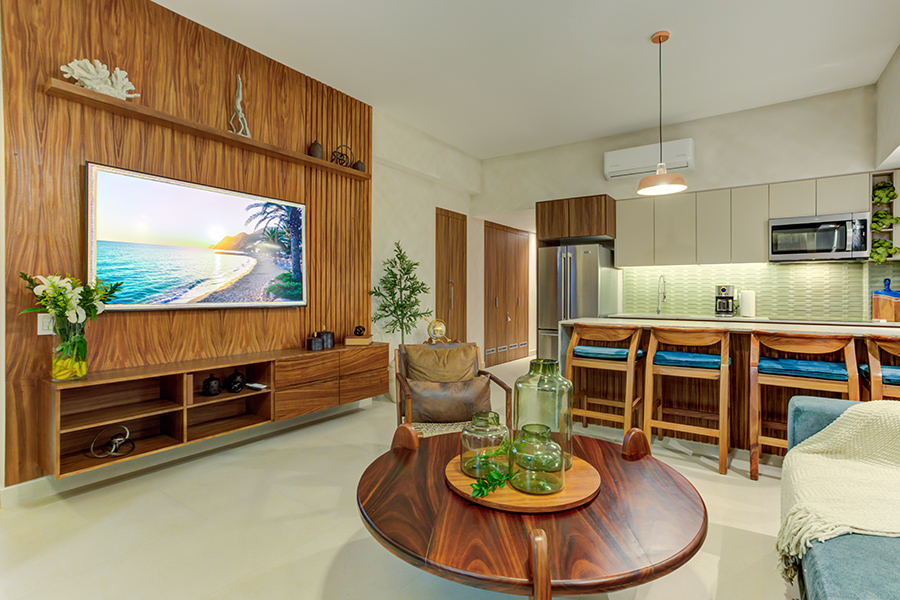

You call an interior designer when the work touches how a room is built, and a decorator when it covers what goes inside it. The two overlap, and plenty of studios, Ment included, do both. The distinction still matters: hire for the wrong scope and you either pay for drawings you did not need or start construction without the drawings your contractor needs.
Key takeaways
- Interior designers plan layout, millwork, lighting positions and finishes, and produce drawings a contractor builds from.
- Interior decorators work on the finishing layer: colour, furniture, fabric, light fixtures, art and styling.
- Hire a designer for renovations, kitchens, bathrooms and new builds. Hire a decorator to refresh rooms whose layout already works.
- Interior design in BC is not a regulated profession yet, so ask about training, experience and the drawings you will receive.
The interior designer’s role: layout, drawings and coordination
An interior designer works on how a space is planned and built. That covers:
- Space planning and furniture layouts
- Kitchen and bathroom layouts
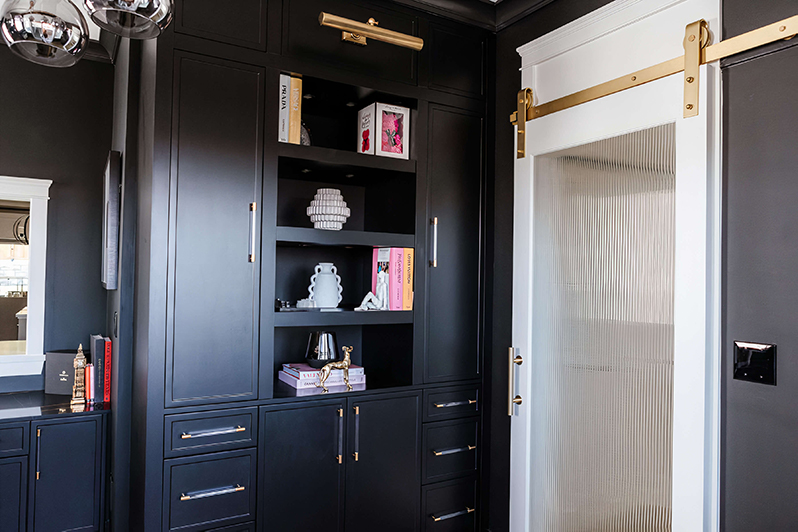
- Built-in millwork
- Lighting and electrical positions
- A finish schedule for flooring, tile, fixtures and hardware
The result is a set of drawings and specifications your contractor builds from and your suppliers order against. A designer also coordinates. Once construction starts, the trades bring questions from site, and the designer answers them so each decision stays consistent with the plan. For the stages in detail, read what an interior designer does, step by step.
The interior decorator’s role: colour, furniture and styling
An interior decorator works inside a room whose structure stays as it is. The work covers colour palettes, furniture selection and placement, fabrics and window coverings, light fixtures and lamps, rugs, art and the final styling. A decorator sources and orders pieces, arranges delivery and styles the room once the pieces arrive.
Decorating does not involve construction drawings or changes to walls, plumbing or wiring. If you find a layout problem partway through a decorating project, bring design in at that point.
Interior designer vs decorator: side by side
| Interior designer | Interior decorator | |
|---|---|---|
| Works on | Layout, built-ins, lighting positions, finishes | Colour, furniture, fabric, fixtures, art, styling |
| Typical projects | Renovations, kitchens, bathrooms, new builds, commercial fit-outs | Room refreshes, furnishing a new home, styling |
| Main deliverable | Drawings and specifications a contractor builds from | Selections, sourcing and a styled room |
| Works with | Contractors, trades, architects and builders | Furniture suppliers, workrooms and installers |
| Walls or plumbing | Planned in the drawings | Outside the scope |
| Registration in BC | Voluntary: Registered Interior Designer through IDIBC | Not required |
Which one does your project need?
Hire an interior designer if you are moving walls, redoing a kitchen or bathroom, finishing a basement, building new or fitting out a commercial space.
Hire an interior decorator if the layout works and the room needs colour, furniture, lighting and styling to feel finished.
Hire a studio that does both if you are not sure yet, or if your project could start as a refresh and grow. One team saves you from briefing two people on the same home.
A few examples:
- Moving into a new condo with bare rooms: decorating.
- Replacing 1990s kitchen cabinets and moving the sink: design.
- A living room that feels wrong without an obvious reason: start with design, because the cause is often the layout.
- Choosing paint colours for the whole house: a colour consultation.
Interior designer vs decorator cost
Fees follow scope more than job title. For the same home, a design project costs more in total than a decorating project, because it includes drawings, specifications and coordination with the trades. Decorating stops at selections, sourcing and styling. Both vary with the size of the home and how much furniture and product you buy.
Firms bill in different ways: hourly, a fixed fee per project, or a percentage of product costs. Ment scopes and quotes each project after a discovery call and a walkthrough. For what moves the number, read how much an interior designer costs in Metro Vancouver.
Interior designer credentials in British Columbia
Interior design is not a regulated profession in BC yet, so the title “interior designer” on its own tells you little about training. The Interior Designers Institute of British Columbia (IDIBC) registers designers as Registered Interior Designers once they complete education, supervised work experience and the NCIDQ certification exam, which CIDQ administers.
Whatever the title, ask to see drawings from a past project, ask who on the team will design yours, and ask how the studio handles questions from site once construction starts.
How Ment works across design and decorating
Ment Interior Design does both. On a renovation or new build, we produce the drawings and specifications and coordinate with your contractor. If the structure stays as it is, our interior decorating work covers colour, furniture, sourcing and styling. Many projects need some of each, and we work out the mix with you on the first walkthrough.